Google isn’t the only game in town anymore. ChatGPT, Perplexity, Gemini, Claude. Millions of people are now getting their answers from AI, not search engines. And if your brand isn’t showing up in those answers? You’re invisible to a growing chunk of your market.
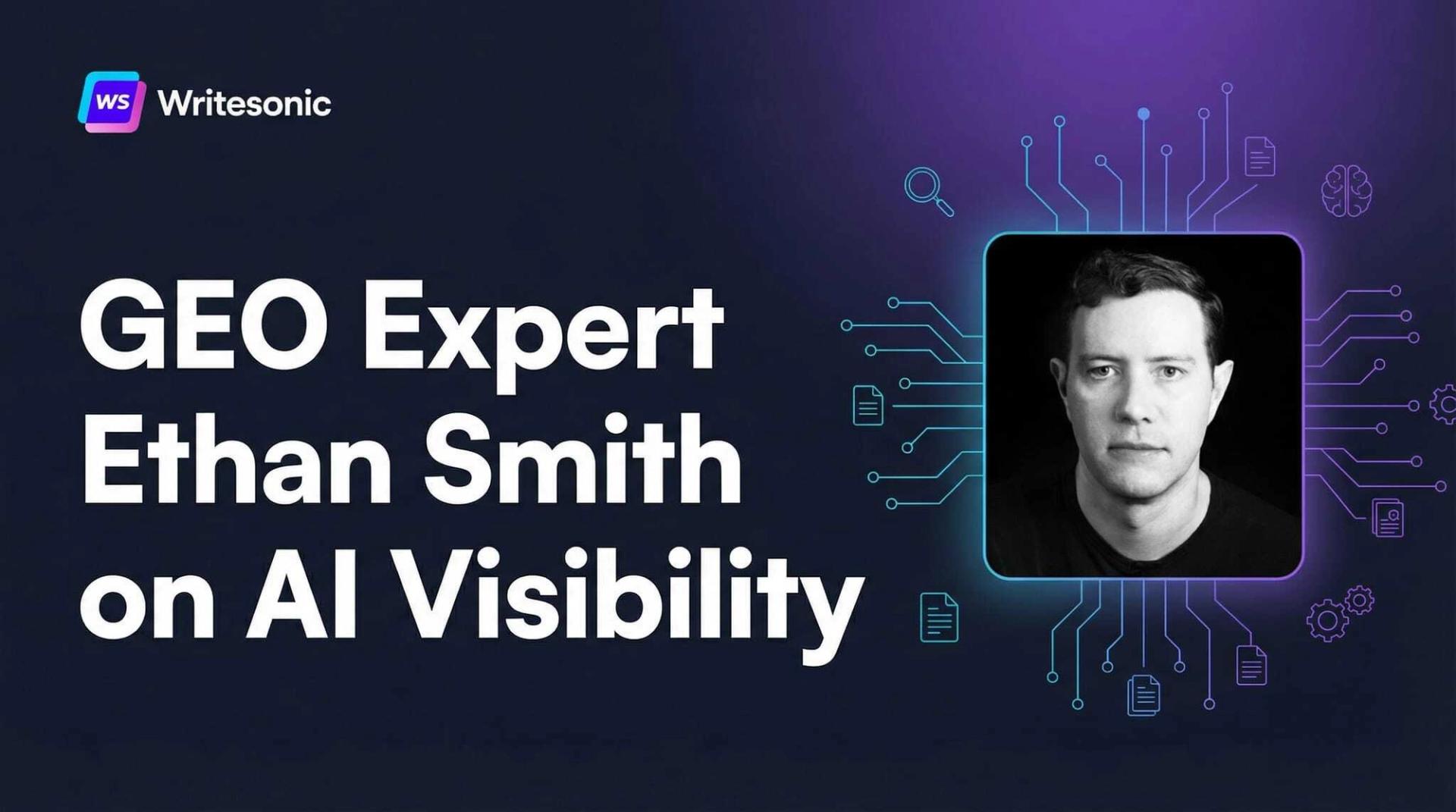
Ethan Smith has spent 18 years in SEO. He’s the CEO of Graphite, one of the top SEO growth agencies in the game, and has been all over Lenny’s Podcast breaking down this exact shift. We asked him the hard questions about GEO (Generative Engine Optimization), and he didn’t hold back.
The Attribution Problem No One Has Solved Yet
Here’s the thing about AI-generated answers: your brand can get mentioned without anyone ever clicking through to your site. Zero-click mentions are now a key GEO metric, but they create a real headache for marketing teams trying to prove ROI.
Ethan’s take? You can’t rely on last-touch attribution anymore.
“When someone signs up for a service like Webflow or Rippling, they’ve likely encountered the brand through many different touchpoints,” he says. “If you only look at the last touch, you’ll miss the influence of those earlier, invisible mentions.”
His recommendation is straightforward:
- Add a “how did you hear about us” question post-conversion. This is especially critical for B2B companies where the consideration cycle is long and touchpoints are scattered.
- Track your appearances in AI answers. You won’t get direct conversion data, but knowing how often your brand shows up for the questions you care about helps you “back your way in” to understanding impact.
GEO Is Not Brand PR (But It’s Closer Than You Think)
LLMs pull from sources you don’t own. Reddit threads. Old reviews. Competitor blogs. So where does “optimizing for GEO” end and “managing your entire internet reputation” begin?
Ethan draws a clear line.
AEO (answer engine optimization) is query-centric. You’re focused on specific questions users are asking, understanding which URLs get cited by LLMs for those questions, and strategically influencing those sources to mention your brand.
Brand PR is about shaping overall public perception. Journalist relationships. Crisis management. General awareness.
“In essence, AEO is about influencing the AI’s answer for a query, while PR is about shaping overall public perception,” Ethan explains. The tactics overlap, but the goals are different.
How to Prioritize When You Can’t Do Everything
AI rewards hyper-specific content over broad overviews. That means you might need 50 targeted pages instead of five comprehensive ones. But most teams don’t have the bandwidth for that.
Ethan’s prioritization framework is practical:
- Start with high-LTV, high-intent topics. Don’t try to answer every question. Focus on the ones tied to your core value prop and conversion points. “Which payroll management software integrates with HR IT and finance?” is the kind of question where a specific product page can win.
- Mine your internal data. Sales calls, support logs, product reviews. These are goldmines for specific questions people actually ask. Even if the search volume is low on Google, creating a dedicated page can make you the authoritative answer for LLMs.
- Expand before you create from scratch. Take existing comprehensive pages and add FAQs or dedicated sections for follow-up questions. Your help center is a natural home for this kind of hyper-specific content.
- Use video strategically. For B2B, there’s surprisingly low competition on YouTube for specific product topics. “People make videos about travel and cooking, not necessarily asset management software,” Ethan notes. Title your videos with the exact question and show the solution at the start.
- Balance owned and earned content. For broad “head” questions, invest in getting mentioned by top-cited domains like Wikipedia, Reddit, YouTube, and relevant publishers. For specific long-tail queries, your own content can win directly.
Can Startups Actually Compete in GEO?
There’s a narrative that GEO levels the playing field. But does a five-person startup really have the same shot at AI visibility as an enterprise with years of content and citations?
Ethan’s answer is surprisingly optimistic.
“For a brand new company, trying to rank for a highly competitive keyword in Google could take years,” he says. “However, in AI chat, if you can get cited by relevant publications a few times, you can show up relatively quickly, even without a deep backlink profile.”
The opportunity comes from three areas:
- The long tail is much bigger in AI. LLMs handle conversational, nuanced queries that traditional search never surfaced. Smaller companies can own these specific niches.
- Social UGC platforms matter more. YouTube and Reddit are heavily cited by AI models. A startup creating utility-first YouTube content on high-LTV topics can gain visibility fast, especially in B2B where most companies aren’t doing this.
- Earned mentions compound quickly. A few citations from authoritative sources can get you into AI answers faster than years of backlink building would get you to page one of Google.
Who Should Own GEO Inside Your Organization?
GEO touches SEO, content, PR, product marketing, social, and customer success. AI pulls from everywhere, so who actually owns it?
Ethan keeps it simple: “Your SEO team, agency, or consultant can probably handle most of the core SEO and AEO work. But offsite is where it gets harder.”
Most SEO people aren’t going to be great at creating YouTube videos or running a Reddit strategy. For that, you need a different person. Maybe a community manager or generalist marketing hire.
In practice, the split looks like: SEO team handles answer engine optimization, and marketing/community team handles citation-building across platforms.
The Bottom Line
GEO isn’t a separate discipline bolted onto your existing marketing. It’s a shift in how you think about visibility. The brands that win will be the ones that understand where AI models pull their answers from, and systematically show up in those places.
Start with the high-intent questions that drive revenue. Mine your internal data for the long-tail queries no one else is answering. And don’t sleep on YouTube and Reddit. They’re not just social platforms anymore. They’re the citation sources AI models trust.
Want to track where your brand shows up in AI answers? Writesonic’s GEO Platform monitors your visibility across ChatGPT, Perplexity, Gemini, Google AI Overviews, and more.
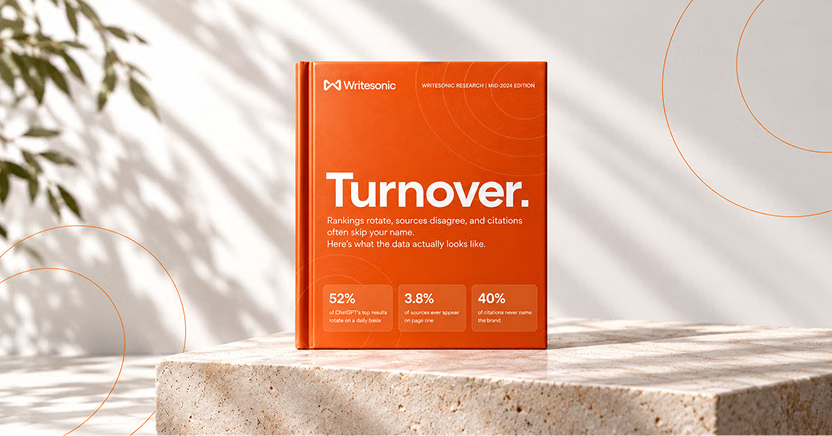
The #1 brand in ChatGPT changes 52% of the time.
Get the report and find out why.

Growth Marketer
Growth marketer at WriteSonic passionate about scaling content and building high-performing funnels. Ex-MoEngage, Whatfix, Tata AIG, Product Fruits, and TripleDart.